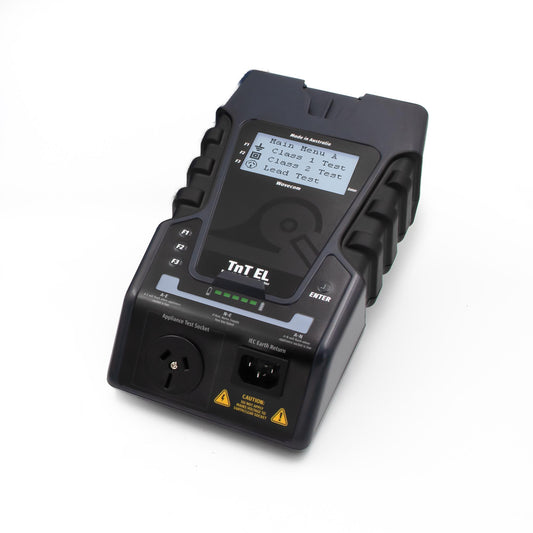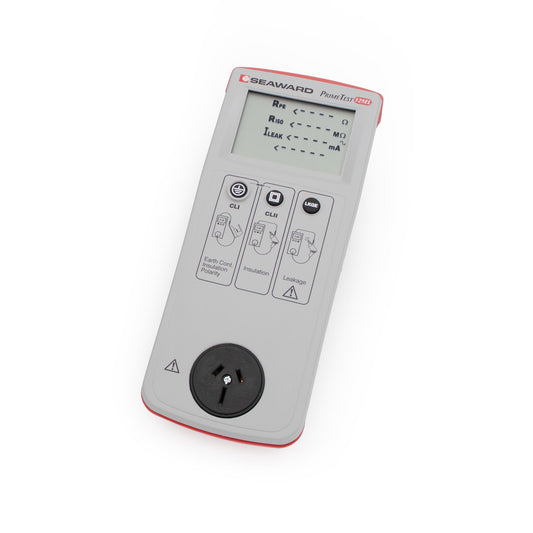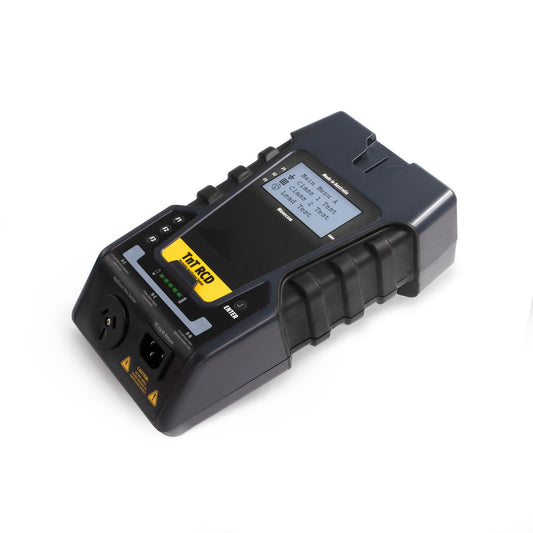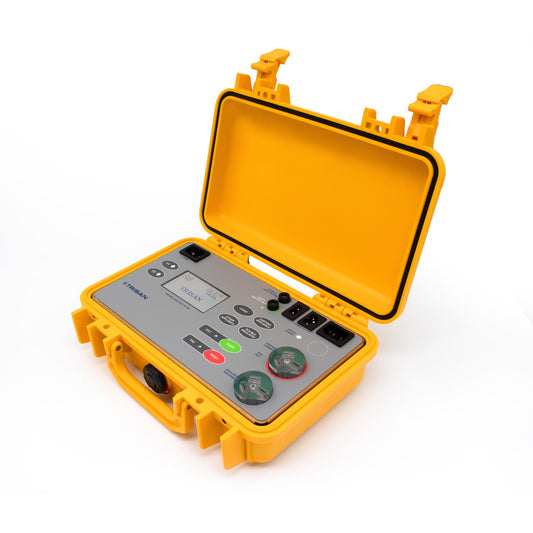
For test and tag professionals, the appliance tester is the core of the business. It keeps your workflow moving, is the essence of your service provision, and directly supports your income. That’s why many operators—both new and established—choose to run with two appliance testers as part of their long-term business strategy.
This isn’t about doubling your start-up spend. It’s about protecting your revenue, improving reliability, and getting more value from your equipment over time.
Minimising Downtime When Your Tester Needs Service or Calibration
Every appliance tester will eventually require servicing, calibration and occasional repair. Even high-quality units experience wear and tear through daily use—buttons, leads, batteries and internal components all age with time.
A second tester ensures you stay operational when your primary unit is out of service, preventing:
- Job cancellations
- Lost income
- Client disruption
- Pressure during busy periods
Business continuity is one of the strongest reasons technicians eventually introduce a second tester into their setup.
Two Testers Don’t Mean Redundancy
They Mean Longevity
One of the most overlooked benefits of owning two testers is that neither device needs to absorb 100% of the workload.
By alternating between the two:
- Component wear is spread evenly
- Each tester experiences fewer test cycles
- Calibration intervals become easier to manage
- The overall lifespan of both devices increases
Instead of one tester ageing quickly under constant use, you effectively extend the working years you’ll get from your equipment.
It’s not wasted capacity—it’s proactive asset management.
Professional Redundancy is Standard Practice Across Trades
In many industries, having a backup for essential tools is a sign of professionalism:
- Photographers carry a spare camera
- Electricians keep duplicate tools
- IT technicians maintain a backup laptop
Your appliance tester is no different. When it directly affects your ability to earn, building redundancy becomes a smart, long-term business decision.
Stress-Free Calibration Scheduling
Calibration is required for compliance, but it doesn’t need to interrupt your workflow. With two testers, you can simply rotate them—continuing to work seamlessly while one is away. This makes staying compliant easier and far less stressful during busy periods.
Final Thoughts: Two Testers = Stability, Longevity & Professionalism
Adding a second appliance tester isn’t an unnecessary luxury—it’s a practical investment that protects your income, extends the lifespan of your equipment, and enhances the reliability of your business.
It’s an ideal setup many operators grow toward as their workload expands and the value of uninterrupted service becomes clear.