When it comes to testing 3-phase electrical equipment, technicians often ask whether insulation testing should be conducted using leakage current or insulation resistance. With 3-phase adaptors ranging from basic $150 units to advanced leakage-testing kits costing thousands, choosing the right solution can be challenging.
AS3760 Requirements for 3-Phase Insulation Testing
Under AS3760, every earthed appliance—single-phase or 3-phase—must undergo both earth continuity and insulation testing. The standard allows insulation to be tested using either:
- Insulation resistance testing, or
- Leakage current testing
However, if a device must be energised to activate internal switching mechanisms before insulation can be tested, then the leakage current method becomes mandatory. This is where 3-phase testing becomes more complex and often more expensive.
Why Most 3-Phase Equipment Requires Leakage Testing
Most 3-phase appliances need to be energised for their switches, contactors, or control circuits to operate. With the exception of simple extension leads, very few 3-phase devices are suited to insulation resistance testing - the test currents are unlikely to reach the active components during their inactive switch state.
As a result, meeting AS3760 typically requires:
- Earth continuity testing, and
- Leakage current testing
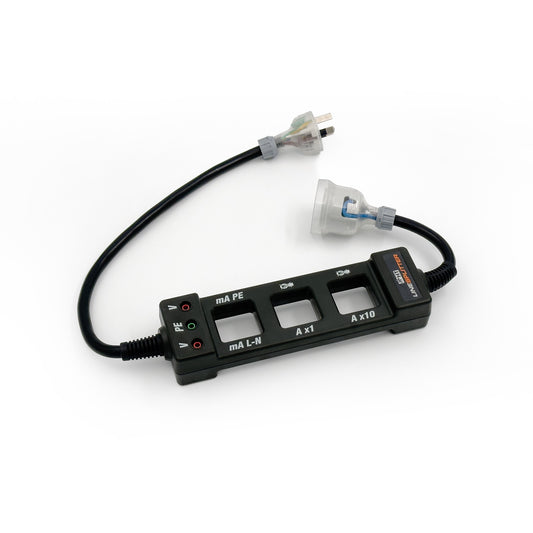
Because most portable appliance testers are designed for single-phase equipment, additional 3-phase leakage adaptors are often needed to perform these tests correctly.
Cost Considerations: Are Basic 3-Phase Adaptors Enough?
Price can be a major obstacle for businesses with only a few 3-phase appliances. While full leakage-testing adaptors offer complete compliance, their cost may be hard to justify for limited use.
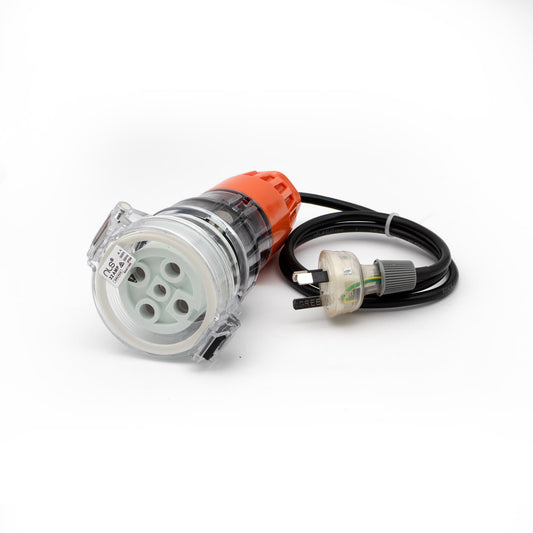
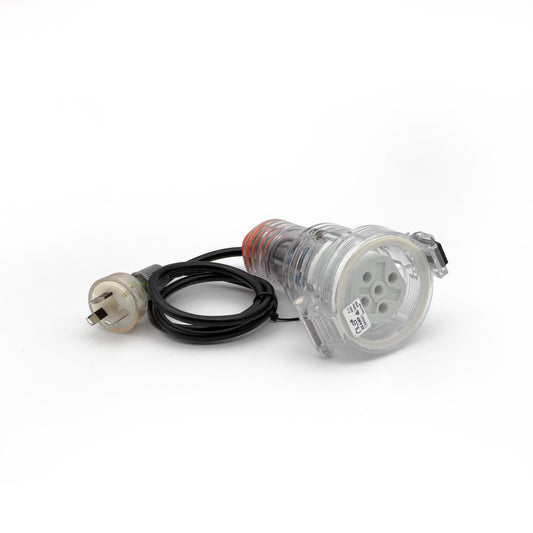
Basic 3-phase adaptors priced around $150 are capable of:
- Earth continuity testing
- Insulation resistance testing
These budget options are perfectly suitable for testing:
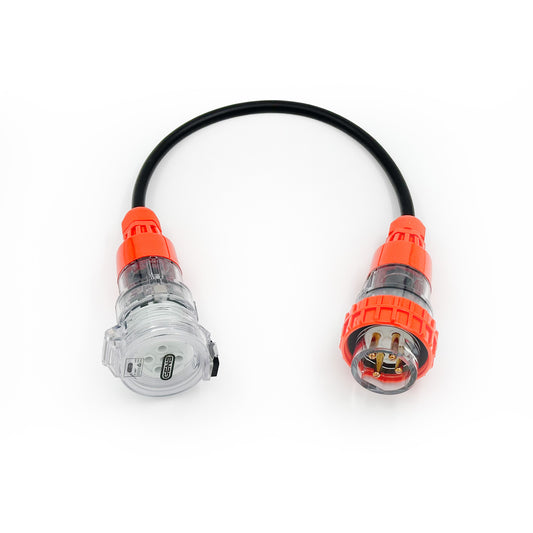
- 3-phase extension leads
- Appliances without energised switching mechanisms
However, for most other 3-phase appliances, relying solely on these basic adaptors may not meet AS3760 requirements.
Which Option Should You Choose?
While low-cost adaptors provide value and are sufficient for certain applications, they are not appropriate for the majority of 3-phase appliances that require leakage testing.
Ultimately, the choice depends on your equipment, your compliance obligations, and the professional judgment of both the technician and the equipment owner.
For more information contact us or visit our range of 3-phase adaptors.