Understanding test tag colours, standards, and best practices
There’s always a lot of discussion around test tag colours, and for many technicians, it can be a source of confusion—or even stress. But how much does it really matter? Surprisingly, far less than most people think.
Do the Regulations Require Specific Tag Colours?
According to AS 3760, there are no mandatory colour requirements for electrical test tags. The standard does not prescribe colour rules, and state-based regulations also do not enforce any specific colour coding system. Despite the popular belief that NSW uses different colours, there are no differences between states when it comes to legal colour requirements.
The Role of AS 3012 in Colour Coding
Most of the guidance on test tag colour coding comes from AS 3012 – Electrical installations for construction and demolition sites. This standard outlines testing and safety requirements for those environments, and it:
- Notes that test tags may be colour coded
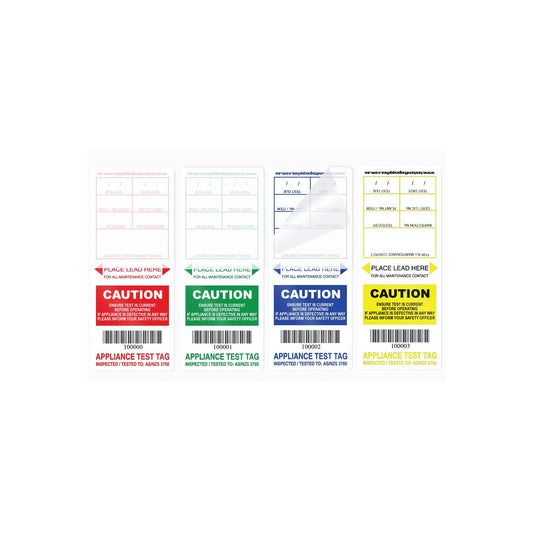
- Recommends specific colours for quarterly testing:
-
Red — December to February
-
Green — March to May
-
Blue — June to August
- Yellow — September to November
While these colours are not legally enforced, many construction sites strictly require this quarterly colour rotation as part of their site safety rules. AS 3760 allows the use of colour coding but does not mandate any specific colours.
Common Industry Colour Practices
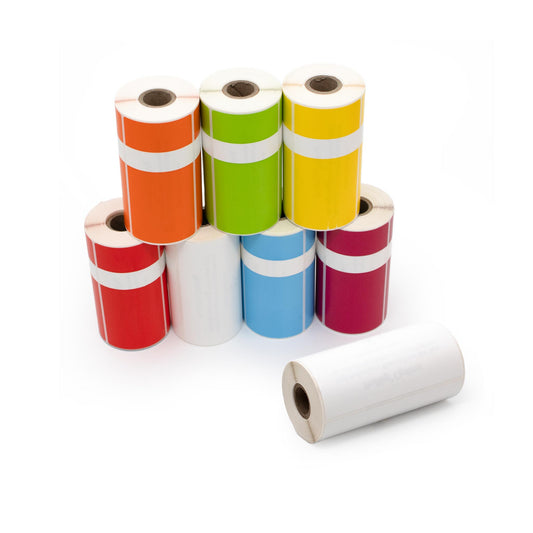
Outside of construction sites, industry habits and long-standing conventions have shaped colour expectations. Commonly used colours include:
-
Burgundy — 5-year testing
-
Black — Annual testing
-
White and Orange — 6-monthly testing
- Quarterly colours from AS 3012
These conventions aren’t regulatory—they’re simply practical systems that have been adopted across many industries.
So If It’s Not Required, Why Colour Code at All?
The short answer: because it works.
Colour coding makes test and tag workflows faster, safer, and more efficient. It provides:
-
Instant visual identification of when equipment was last tested
- A quick reminder of the testing environment and retest intervals
-
Fewer mistakes when retesting large quantities of equipment
- Simplified compliance checks
Most importantly, many job sites—especially construction and industrial worksites—will reject equipment that does not carry the correct test tag colour for the current period. In these environments, correct colour coding determines whether equipment can even be brought onto the site.
The Bottom Line
While colour coding isn’t mandated by AS 3760, it remains one of the most effective ways to improve test & tag efficiency, maintain compliance, and meet site requirements. Understanding the commonly used colour systems helps ensure your equipment passes inspections and keeps workplaces safe.