What Are Test Tags Made Of?
Understanding test & tag label materials and why some tags cost more than others
Ever wondered what electrical test tags are made of or why prices can vary so much? Like most safety products, not all test tags are equal. The materials used—from the printable layer to the adhesive—have a huge impact on how well a tag performs in real-world test and tag environments.
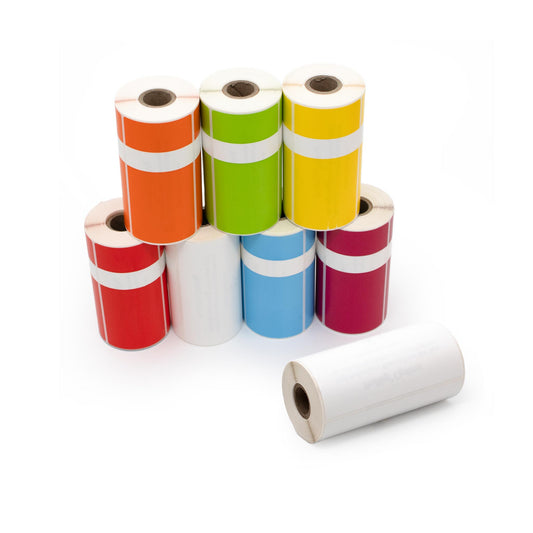
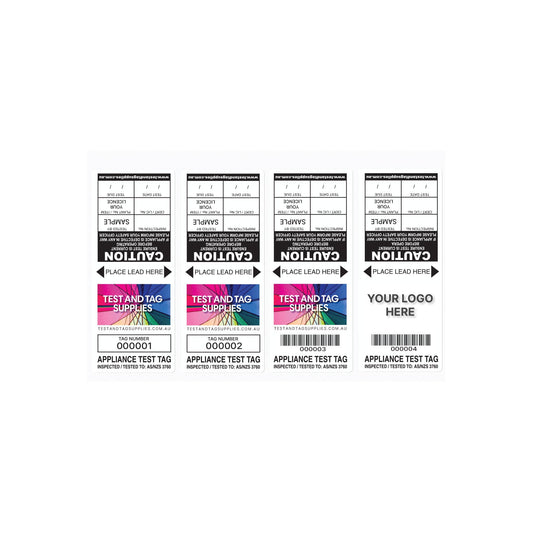
Thermal Printable Test Tags: PP vs PE Facestock
Most thermal printable test tags use a polypropylene (PP) facestock. PP is popular because it:
- Produces sharp, clear print from thermal printers
- Offers good resistance to moisture and many chemicals
- Provides decent tear resistance
However, PP is naturally quite stiff. Once applied, PP labels often try to “spring back” towards their original flat shape. On curved surfaces—like power leads and appliance cords— this can lead to edge lifting and poor adhesion if the wrong adhesive is used.
Some test tags use a polyethylene (PE) facestock instead. PE is:
- Softer and more flexible than PP
- Better at conforming to cables and small appliances
- More comfortable for wrap-around applications
The trade-off is that PE is generally more expensive and less stiff, which can make printing and handling less consistent. That’s why PE is used less often, usually in specialised or higher-end test tag ranges.
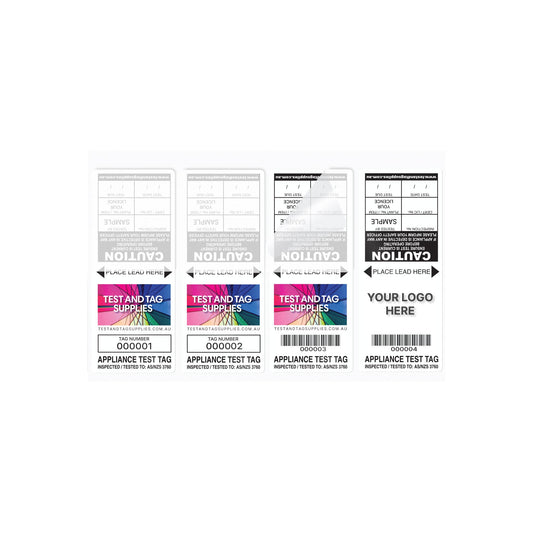
Heavy-Duty Laminated Test Tags
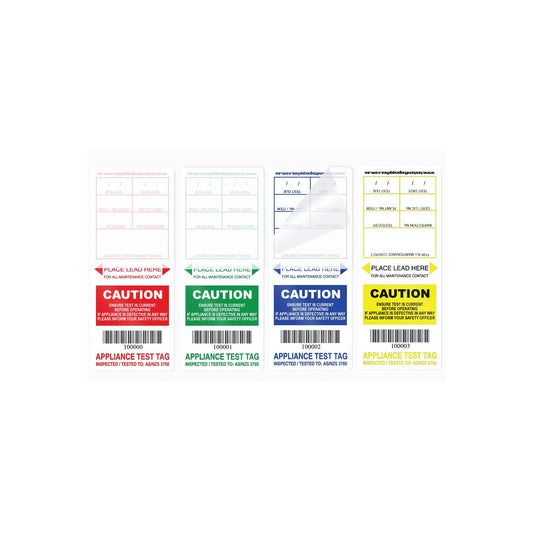
For harsh or outdoor environments, many technicians rely on preprinted self-laminating test tags. These often use:
- Cross-laminated polyolefin films for the base layer
- A clear polyester (PET) topcoat to seal and protect the print
- Quick drying industrial UV or specialist UV stable toner based inks
Cross-lamination significantly boosts tear and puncture resistance, while the top PET laminate:
- Shields print from UV exposure and sunlight
- Improves resistance to abrasion and handling
- Helps protect against moisture and many chemicals
These laminated test tags cost more but deliver far superior durability for outdoor, industrial, and long-interval inspection environments. The downside is that this style of label is not compatible with portable thermal printers, so details are usually handwritten or printed on a separate insert.
Adhesives: Hot Melt vs Acrylic
The adhesive is just as critical as the facestock. The wrong adhesive can cause tags to peel, curl, or slide long before the next test is due. Depending on the application manufacturers will choose from either:
Hot Melt Rubber Adhesives
- Provide strong initial grab
- Perform well on textured or slightly rough surfaces
- Are ideal for everyday indoor appliance testing
Acrylic Adhesives
- Offer better UV stability for outdoor use
- Provide improved chemical and solvent resistance
- Deliver better long-term performance on smooth plastics and metals.
How Manufacturers Choose the Right Test Tag Material
Test tag manufacturers spend a lot of time and research on material selection because they must balance performance, longevity, and cost. The goal is simple: produce test tags that stay in place and remain legible for the entire test period.